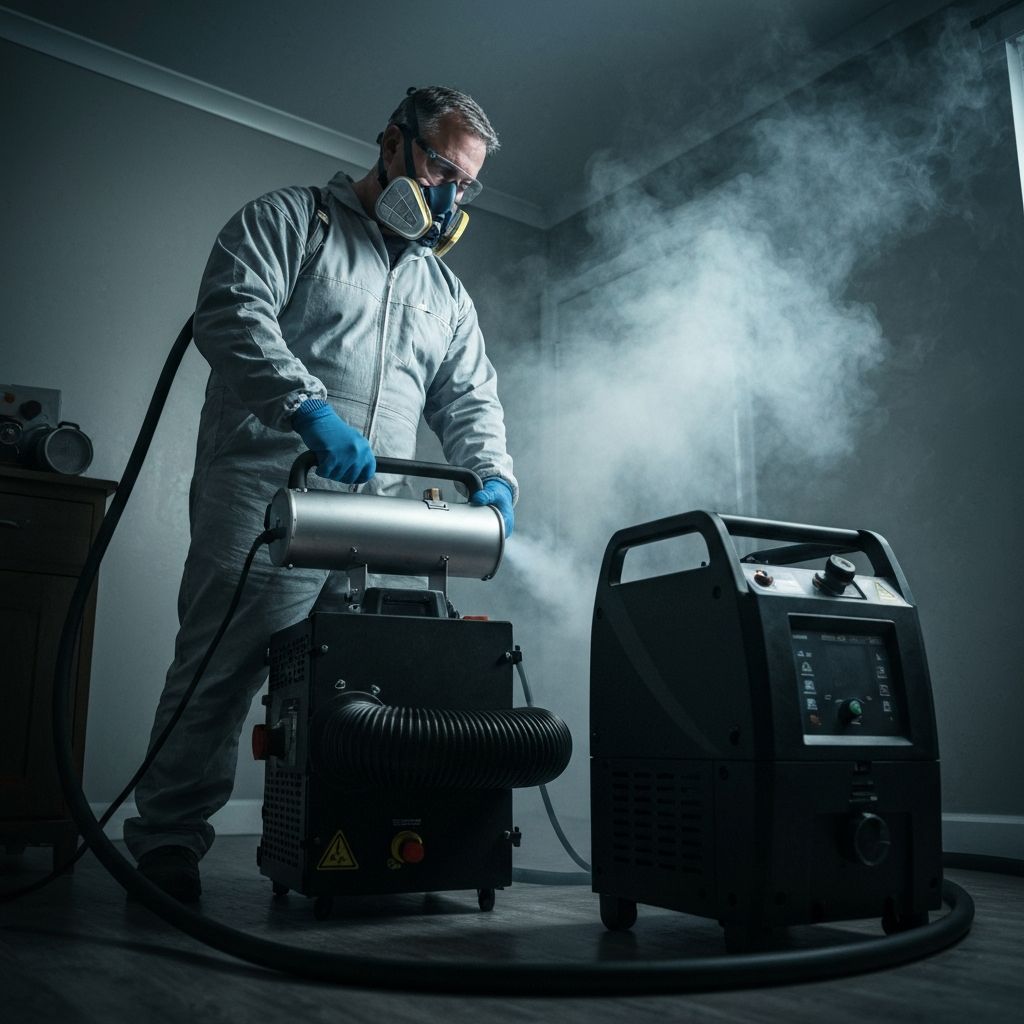
Advanced Smoke Remediation & Odor Elimination
When standard cleaning fails, our science-based approach eliminates smoke odors at the molecular level. We restore properties that others can't.
Understanding Smoke Damage at the Molecular Level
Smoke damage is far more complex than most property owners realize. When organic materials combust, they release thousands of different chemical compounds—many of which are invisible, odorous, and capable of penetrating deep into building materials.
Smoke contains particulate matter ranging from 0.1 to 4 microns in diameter— small enough to penetrate porous materials like drywall, wood, fabric, and even concrete.
These particles carry volatile organic compounds (VOCs) including formaldehyde, acrolein, benzene, and polycyclic aromatic hydrocarbons (PAHs) that continue off-gassing for months or years if not properly treated.
- Protein residue: From food fires, creates a pungent, unmistakable odor
- Natural substance: From wood/paper fires, easier to treat but deeply penetrating
- Synthetic residue: From plastics/polymers, creates toxic soot and requires specialized treatment
- Nicotine residue: Yellow, sticky tar that bonds to surfaces and requires chemical encapsulation
Why Standard Cleaning Fails
Traditional cleaning only addresses surface contamination. Smoke molecules are lipophilic (fat-loving) and form chemical bonds with organic materials at the molecular level. Without oxidative treatments that break these chemical bonds, odors will persist indefinitely—especially when humidity or temperature rises.
Multi-Stage Remediation Protocol
Our comprehensive approach combines four distinct treatment modalities to ensure complete odor elimination—not just masking.
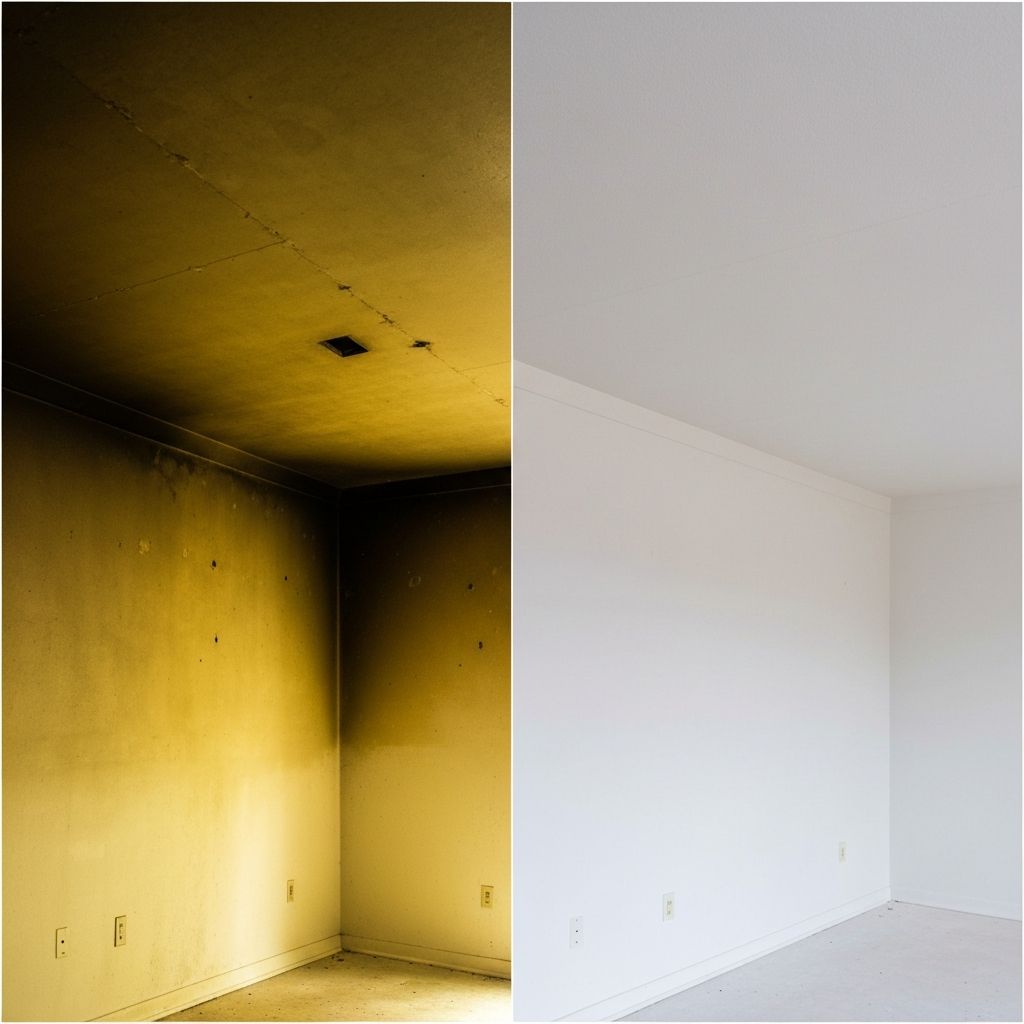
Assessment & Source Removal
We begin with a comprehensive assessment using thermal imaging to identify hidden smoke penetration and photoionization detection (PID) to measure VOC concentrations in parts per billion.
- Remove all porous materials that cannot be salvaged (char depth analysis)
- HEPA vacuum all surfaces using true HEPA filtration (99.97% at 0.3 microns)
- Clean hard surfaces with alkaline degreaser solutions (pH 11-13)
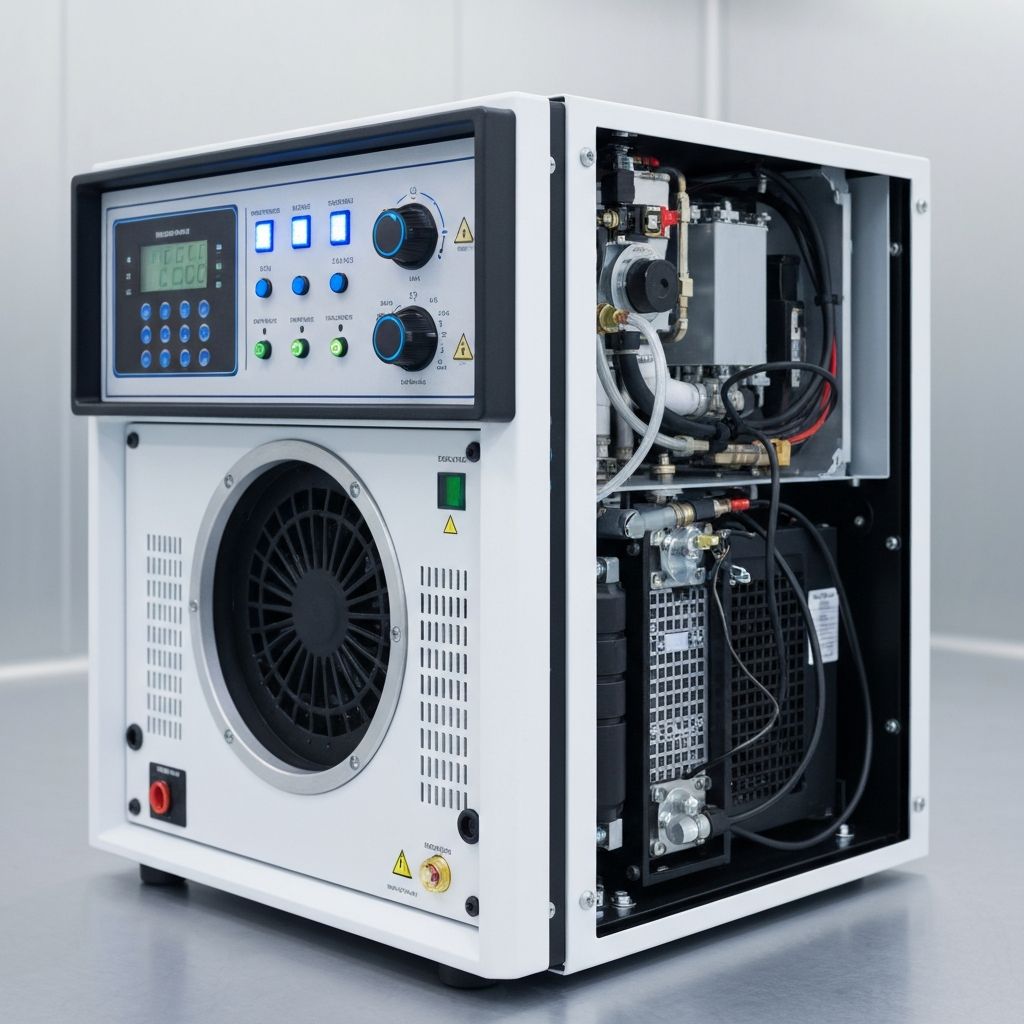
High-Output Ozone Treatment
We deploy commercial-grade ozone generators producing 10,000-40,000 mg/hr of ozone (O₃)—a powerful oxidizer that breaks down odor molecules through oxidative degradation.
How Ozone Works
Ozone (O₃) is an unstable molecule that readily donates its third oxygen atom to organic compounds. This oxidation reaction breaks carbon chains in odor molecules, converting them to carbon dioxide and water. The half-life of ozone at room temperature is approximately 20-30 minutes, after which it reverts to breathable oxygen (O₂).
- Seal HVAC system and treat each zone independently
- Maintain 3-6 ppm ozone concentration for 24-72 hours
- Property must be unoccupied during treatment (OSHA PEL: 0.1 ppm)
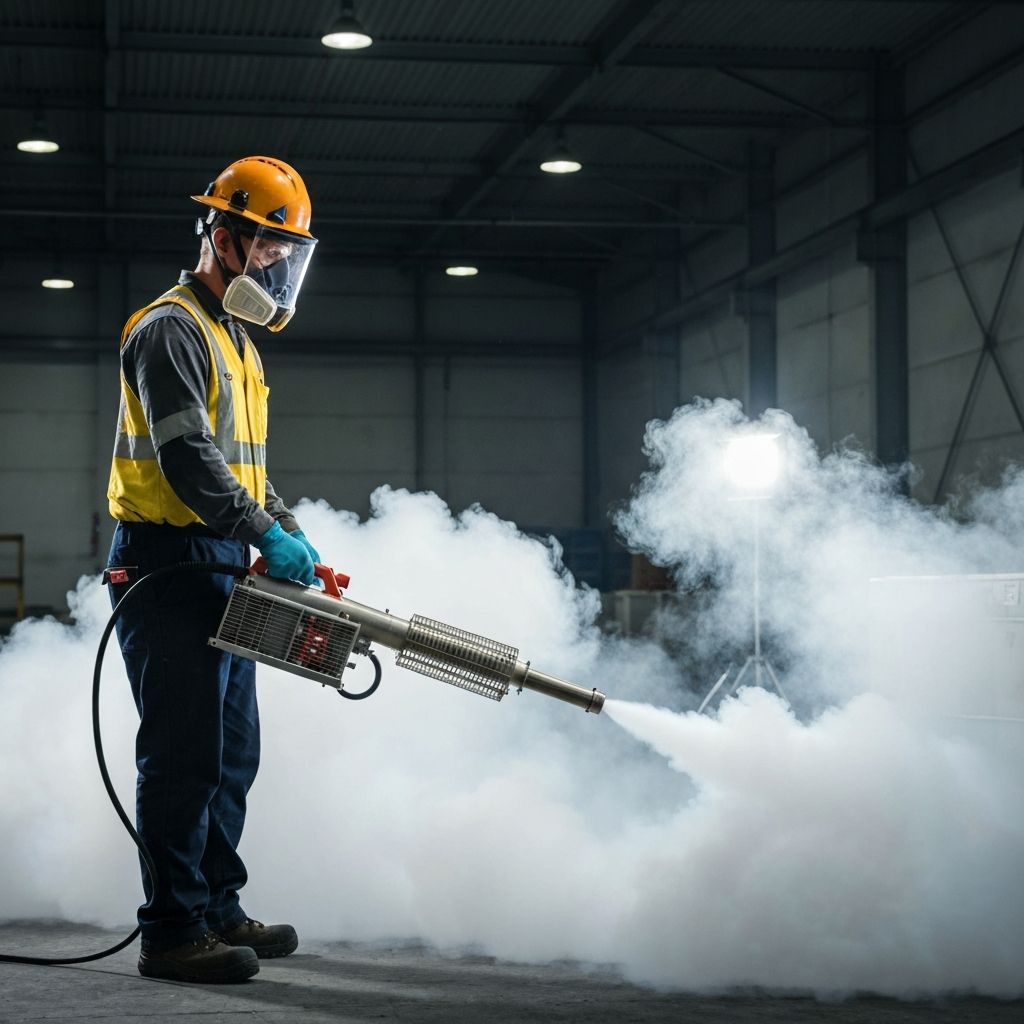
Thermal Fogging & ULV Treatment
Thermal foggers heat deodorizing solutions to create a dry vapor with particle sizes of 0.5-2 microns—matching the penetration profile of smoke itself.
Thermal Fogging
Creates sub-micron particles (0.5μm) through heat vaporization. Ideal for reaching wall cavities and penetrating porous materials.
ULV Fogging
Ultra-low volume cold fog with 5-15μm droplets. Better for surface treatment and HVAC duct decontamination.
- Petroleum-based carriers for deep penetration
- Enzyme-based solutions for protein smoke residue
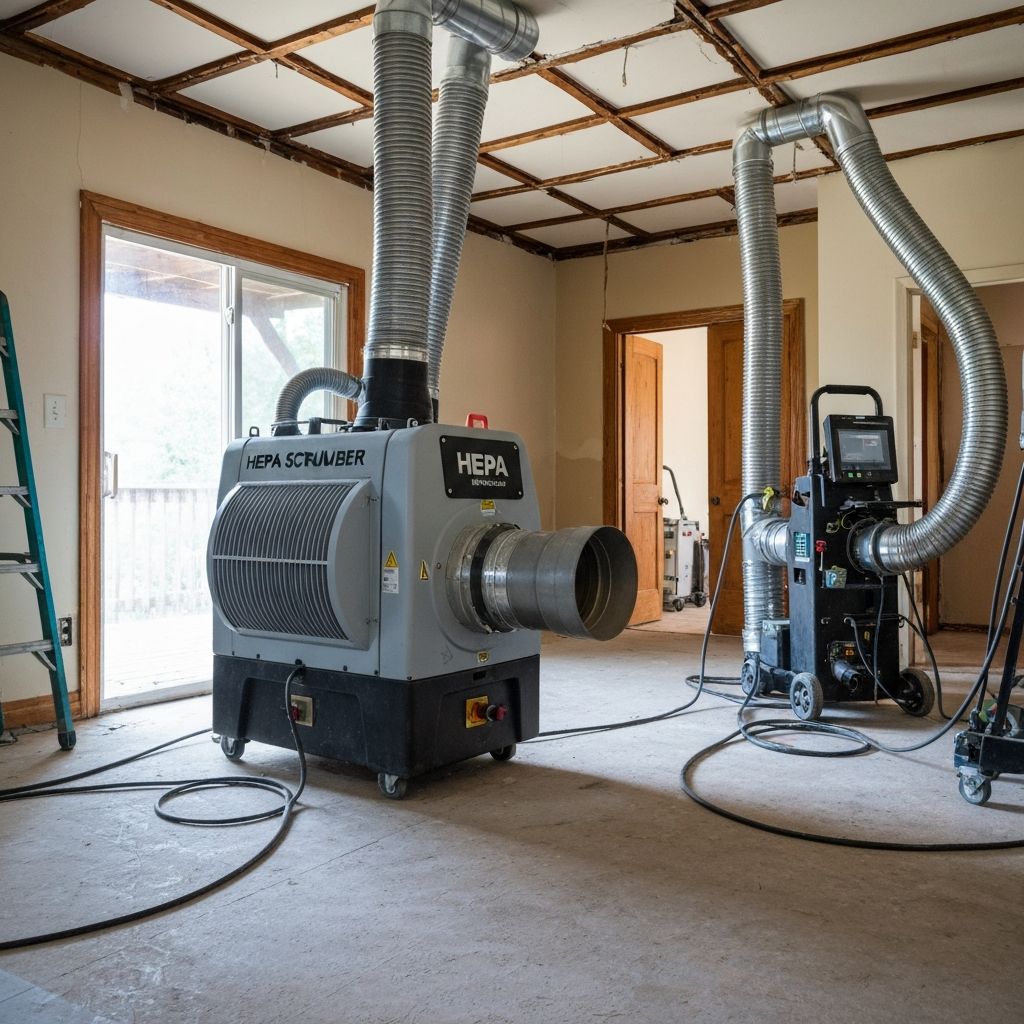
Hydroxyl Generation & Air Scrubbing
Unlike ozone, hydroxyl radicals (OH) can be used in occupied spaces. These highly reactive molecules occur naturally in sunlight and are 33% more oxidizing than ozone.
Hydroxyl vs. Ozone
Hydroxyl generators use UV light and titanium dioxide photocatalysis to produce hydroxyl radicals continuously. While ozone requires evacuation, hydroxyl treatment can run 24/7 during the final remediation phase, providing continuous oxidation of residual VOCs.
- HEPA air scrubbers running 4-6 air changes per hour
- Activated carbon filtration for VOC capture
- Final PID readings to verify VOC levels below 0.5 ppm
Why We Succeed Where Others Fail
Thermal Imaging Assessment
Most companies clean what they can see. We use FLIR thermal cameras to identify hidden smoke penetration in wall cavities, above ceilings, and behind fixtures where odors hide and recontaminate treated areas.
Quantitative Verification
We don't rely on smell tests. Our photoionization detectors (PID) measure VOC levels in parts per billion before and after treatment, providing documented proof of complete remediation.
Multi-Modal Approach
Single-treatment approaches often fail. We combine oxidative, encapsulating, and neutralizing treatments in sequence—targeting different odor compounds with the appropriate chemistry.
Third-Hand Smoke Expertise
Nicotine residue requires specialized treatment. We use shellac-based sealers and encapsulating primers to permanently seal residue that cannot be removed, preventing off-gassing from contaminated substrates.
HVAC Decontamination
The HVAC system spreads contamination throughout properties. We isolate and treat ductwork separately, replacing filters and using duct-specific fogging to prevent recontamination after treatment.
Odor-Free Guarantee
We provide a written guarantee on all smoke remediation work. If odors return within 90 days, we retreat at no additional cost. Our 98% first-time success rate means this rarely happens.
Professional-Grade Equipment Specifications
| Equipment | Specification | Application |
|---|---|---|
| Ozone Generators | 10,000-40,000 mg/hr output, corona discharge | Primary oxidation treatment |
| Thermal Fogger | 0.5-2μm particle size, 15L/hr output | Deep penetration deodorization |
| ULV Fogger | 5-50μm adjustable, 6L/hr capacity | Surface treatment, HVAC ducts |
| Hydroxyl Generator | UV + TiO₂ photocatalysis, 3000 sq ft coverage | Occupied-space treatment |
| HEPA Air Scrubber | 2000 CFM, H13 HEPA + activated carbon | Particulate and VOC removal |
| PID Meter | 0.1 ppb resolution, 10.6 eV lamp | VOC measurement and verification |
| Thermal Camera | FLIR E8-XT, 320x240 resolution | Hidden damage identification |
Specialized Treatment Protocols
Cigarette/Cannabis Smoke
Nicotine and tar create a sticky, yellowish residue that bonds to all surfaces. Treatment requires:
- • TSP degreasing of all hard surfaces
- • Shellac-based primer for encapsulation
- • Extended ozone treatment (48-72 hours)
- • HVAC system replacement is often recommended
- • Fabric items typically require disposal
Fire Damage Smoke
Fire smoke contains complex combustion byproducts varying by fuel source. Our approach depends on the fire type:
- • Protein fires: Enzyme-based deodorizers
- • Synthetic fires: Solvent cleaning + sealing
- • Wood/paper fires: Standard oxidation protocol
- • Char removal and reconstruction coordination
- • Insurance documentation and photo evidence
Cooking Odors
Strong cooking odors (curry, fish, grease) penetrate cabinets, countertops, and ventilation systems:
- • Degrease all kitchen surfaces and cabinets
- • Clean or replace range hood filters
- • Thermal fog kitchen and adjacent areas
- • Ozone treatment of cabinet interiors
- • Typically resolved in 24-48 hours
Airbnb Guest Violations
Quick turnaround for short-term rentals with smoking violations:
- • Emergency same-day response available
- • Rapid assessment and treatment plan
- • Hydroxyl generators for fast, safe treatment
- • Documentation for guest damage claims
- • Most cases resolved for next-day booking
Don't Let Smoke Odors Cost You Bookings
Get a free assessment from Kansas City's smoke remediation experts. We'll provide a detailed treatment plan and guaranteed results.